Tufts IDEA Lab · Owl HeadOngoing
VR Point-of-View Research
Running an IRB-approved user study on a VR system that expands effective field of view by 50–60%, to learn whether real people can adapt to a view that no longer matches their head.
Project snapshot
- Role
- UI/UX Researcher
- Team
- OwlHead team at the Tufts IDEA Lab, led by Prof. James Intriligator: engineers + me as UI/UX researcher
- Timeline
- Jan 2026 – Present
- Methods
- IRB-approved user study: pre/post surveys, randomized timed trials, in-game performance logging
- Focus
- VR, cognitive adaptability, spatial compression, immersive tech
- Tools
- Unity VR simulation, VR headset + controllers, Qualtrics, Google Sheets
- Status
- Ongoing: testing resumes this semester; more trials before conclusions
The problem
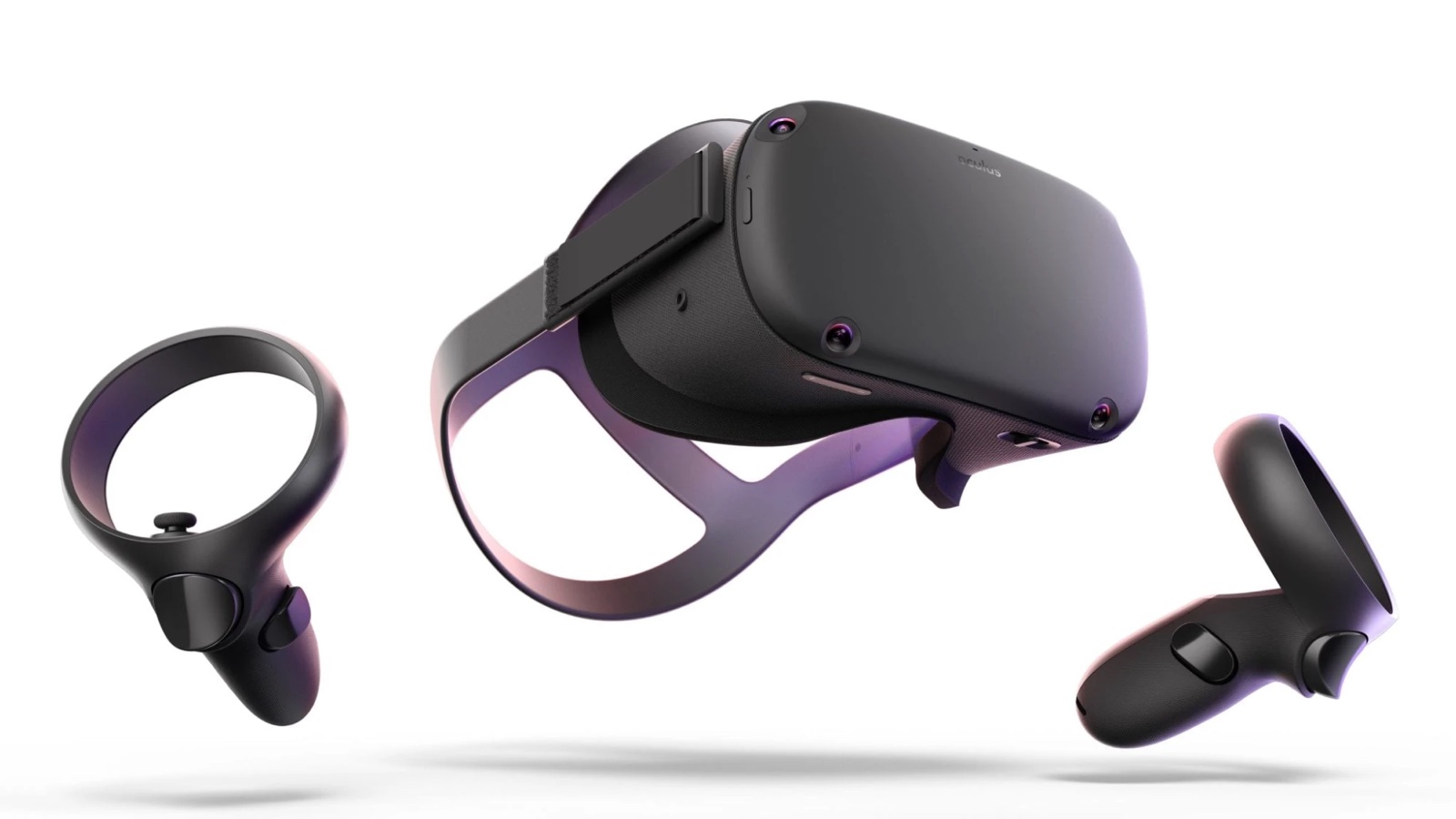
In a normal VR headset, the world on screen moves exactly as fast as your head. Owl Head breaks that rule. It remaps point of view (POV) so the view moves at a different speed than your head, letting you see further than your eyes normally could. The goal is faster awareness in situations where quick reactions matter.
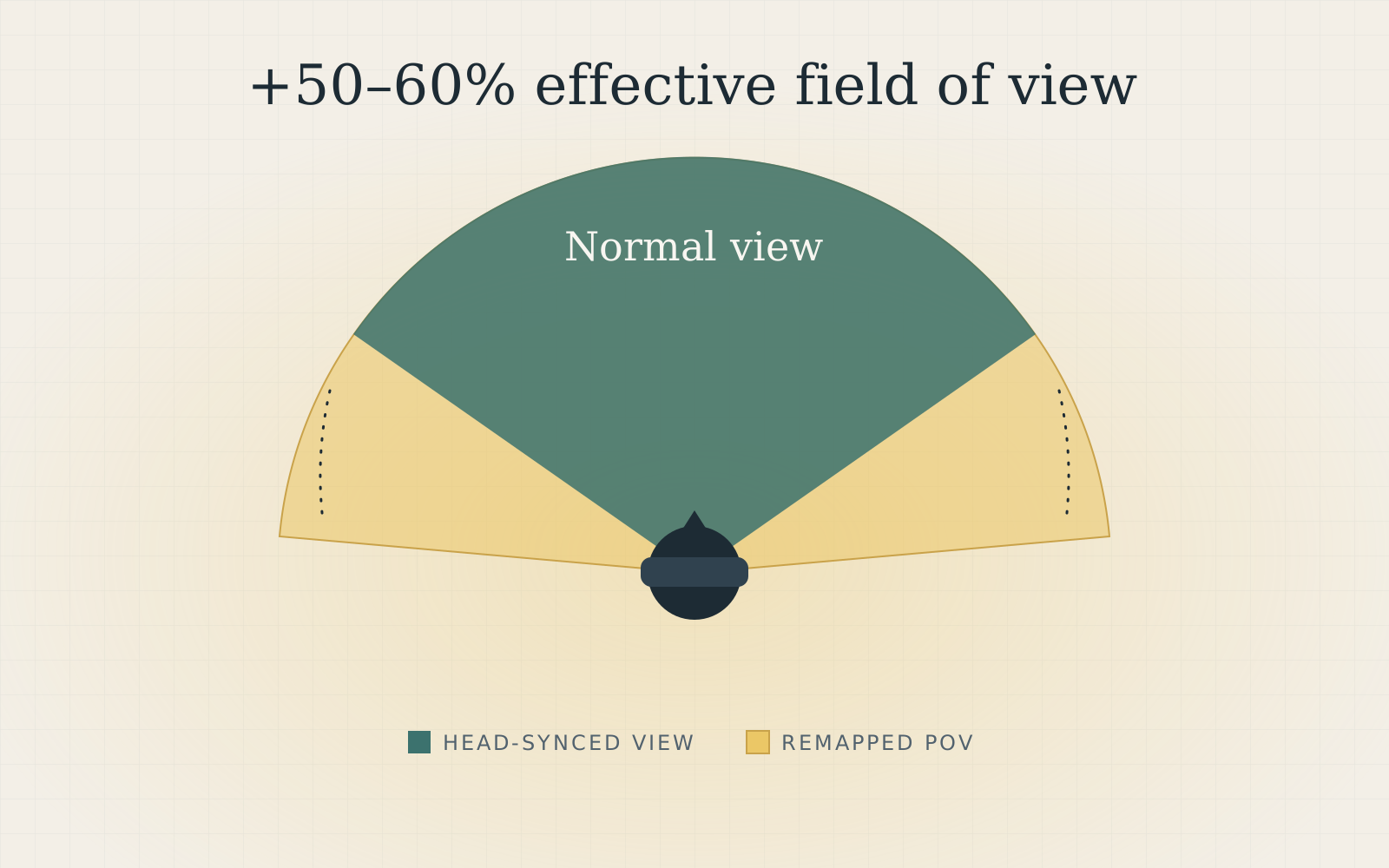
The engineers had already built a vision expansion system that boosts effective field of view by 50–60%, plus a simulation to test it. The open question was the human one.
The research question
A wider view sounds like a pure win. It only helps if people can stay oriented, accurate, and comfortable while using it.
Study design
Participants play a fast number game in VR: spot numbers in the scene and press the left trigger for even, the right trigger for odd. That gives us a measurable task (speed and accuracy) instead of just asking how the view “feels.”
- Consent: IRB consent form, then a short briefing
- Pre-survey
- Tutorial in normal field of view
- Three 2-minute trials in expanded vision, in a randomized order
- 3-minute breaks with a motion-sickness check
- Post-survey
Decision: randomize the trial order
Each participant gets their own trial sequence, so learning the game over time doesn’t get mistaken for an effect of the view.
Decision: comfort comes first
Expanded vision can cause nausea. We check in during every break, and anyone who feels sick skips straight to the post-survey. That’s also data.
Every session produces two kinds of data: in-game performance logs for each trial, and survey responses from before and after.
Analysis so far
I designed and ran 3+ early-stage sessions and analyzed 10+ participant trials, looking across them for three things:
- Usability patterns
- Motion-perception challenges
- Interaction trade-offs
What I delivered
5+ early UX recommendations on spatial awareness, comfort, and field-of-view expansion, used to shape the team’s iteration priorities while testing continues.
Outcome & impact
- effective field of view from the system we’re testing
- +50–60%
- user-testing sessions designed and run
- 3+
- participant trials analyzed
- 10+
- early UX recommendations
- 5+
Still in progress. Testing paused over the summer and resumes this semester, and we’re running more trials before drawing conclusions. After that, the lab plans to build a version that works in real life, outside the headset.